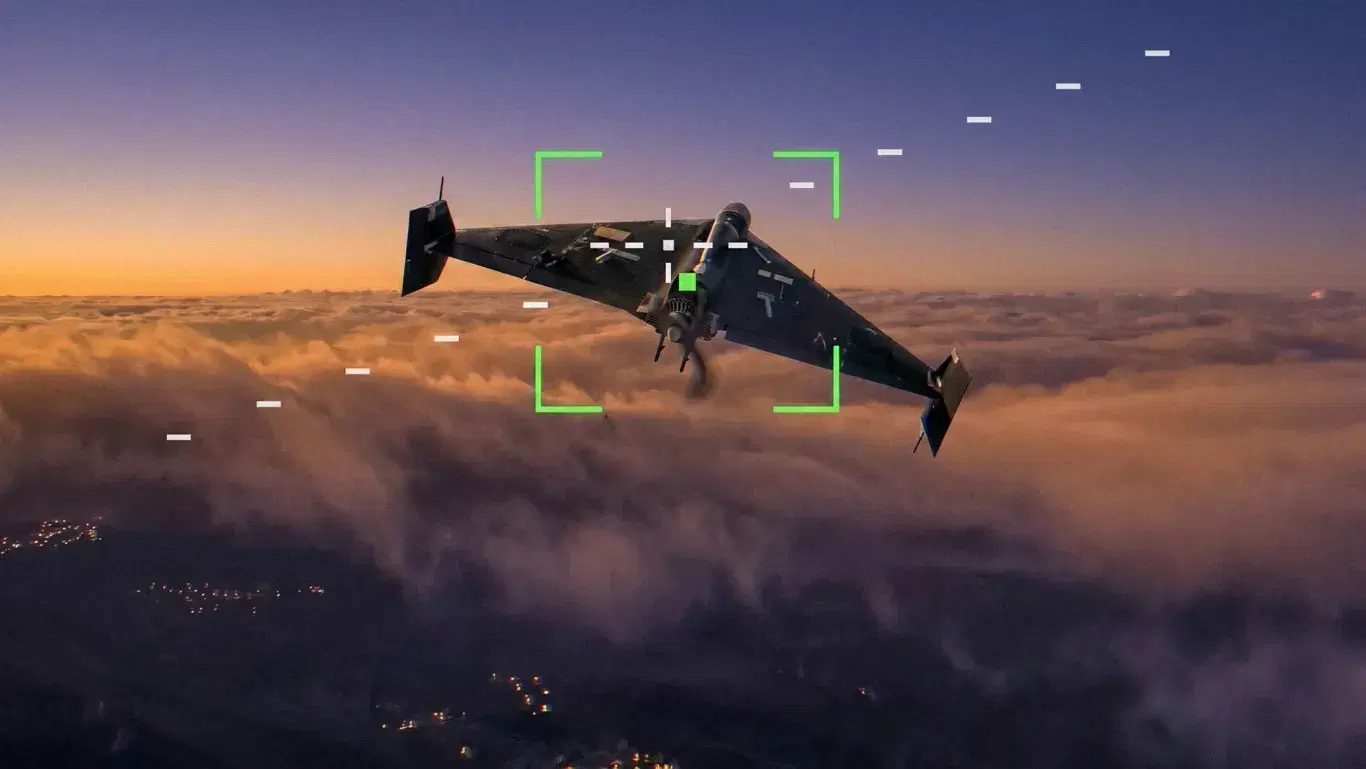
Ukraine has developed and successfully combat-tested a breakthrough technology that automates 95 per cent of the process of intercepting and destroying enemy strike drones.
Towards Automation in the Skies
The defence sector is betting on robotisation and artificial intelligence to safeguard national airspace. Within the Brave1 cluster, engineers created a unique solution that almost eliminates the human factor in neutralising hostile aerial targets. From launch to the destruction of a Russian Shahed, the system takes full control of the interceptor.
The technology’s effectiveness has already been proven in practice: the first combat trials took place successfully in the Kharkiv Region.
How Autonomous Hunting Works
The human–machine interaction follows a simple algorithm:
1. Target tracking: the operator monitors enemy flight paths in real time.
2. Attack command: the operator selects the priority target and authorises engagement.
3. Autonomous strike: the AI system assumes full control, adjusting course, recognising the hostile UAV and guiding the interceptor to destroy it.
From Idea to Frontline in Months
The project moved from prototype to combat deployment in less than a year, thanks to institutional support from Brave1.
According to Defence Minister Mykhailo Fedorov, autonomy is the key vector in modern air defence: automation enables rapid response to mass drone raids and more reliable protection of civilian infrastructure.
Other Brave1 Innovations
Brave1 has also tested the next generation of FPV drones. The state is working to accelerate their delivery to the Armed Forces, as several tested models have already demonstrated effectiveness in demanding conditions.